
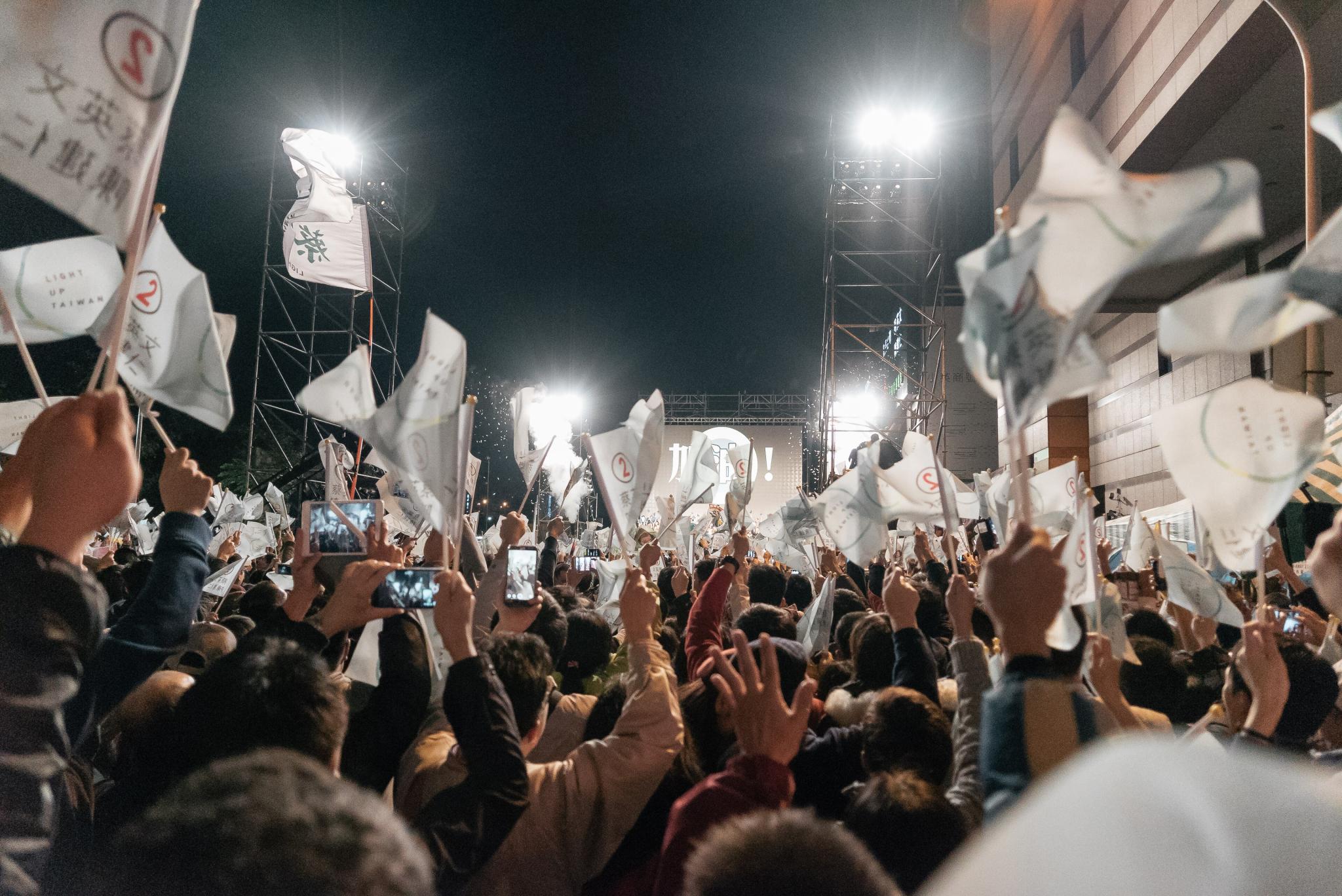
This presentation explores the challenges facing Taiwan’s democracy and their impact on public attitudes toward key issues.
2026 ANU TAIWAN UPDATE
SESSION 1 | A Young Democracy Threatened from Without and Polarized from Within
As one of the model cases of third wave democratization, Taiwan’s progress toward democratic consolidation has attracted broad attention. Nevertheless, the development of democracy in Taiwan has not been without difficulties. Both external and internal challenges continue to test this emerging democracy. Externally, the security threat posed by neighbouring China, together with the complexities of contemporary international geopolitics, has led Taiwan to be widely regarded as a global flashpoint for potential conflict. These circumstances have compelled Taiwan’s political leadership to seriously consider how to strengthen national security and enhance societal resilience in order to respond effectively to potential external shocks and crises. Internally, increasing political polarization has made it difficult to achieve broad consensus on many critical policy issues. Furthermore, the existence of a divided government has contributed to persistent gridlock between the executive and legislative branches. Thus, long-standing political cleavages, deeply entrenched socioeconomic challenges, and increasing national security concerns have become intertwined and highly politicized. The interaction among these issues poses significant challenges not only for the government but also for Taiwanese society as a whole. This presentation examines these contemporary challenges facing Taiwan’s democracy. Drawing upon relevant academic research and public opinion survey data, it explores the political consequences of these developments and analyzes citizens’ attitudes toward the key issues confronting Taiwan today.
Speaker
Ching-hsin Yu is a Research Fellow at the Election Study Center as well as a joint professor in the Graduate Institute of Development Studies, National Chengchi University, Taipei, Taiwan. He is also currently a Commissioner of the Central Election Commission, R.O.C. He earned his Ph. D. in political science from Pennsylvania State University in the United States in 1995. In addition to services to the academic community, he has devoted himself to the study of party politics, public opinion, electoral systems and elections. His recent studies address political accountability, identity politics and issues related to Taiwan’s democratic transition and Cross-Strait relations.
Light lunch will be provided at 12:15pm.